Views: 0 Author: Site Editor Publish Time: 2026-06-10 Origin: Site
Choosing Spider Lift is a job-site decision, not a catalog shortcut. Height, reach, ground pressure, payload, and access path all influence the final choice.
This guide helps contractors, rental companies, and facility teams evaluate Spider Lift with GomanLift, using Rubber Tracked Lift as the product reference.
Most buyers do not search for Spider Lift just to read a definition. They want to know whether the product can solve a specific problem, fit a real operating environment, and arrive with fewer surprises.
A search like “spider lift: how to choose the right working height for your project” usually comes from a practical concern. The buyer may be comparing materials, checking performance limits, or preparing a purchase request for a team that needs clear product logic. In that situation, the useful answer is not a long list of claims. It is a grounded explanation of how the product behaves in the field.
For GomanLift, the best starting point is the product itself. The related page for Rubber Tracked Lift gives buyers a concrete reference point, while the application context decides which details deserve the most attention.
A strong product page helps procurement, engineering, sales, and quality teams speak the same language. It should make the material, use case, packing choice, and application boundary easier to understand. That is why internal links should point to a real product page rather than a generic homepage.
When teams collect product data, they should check whether the page supports the article topic. If the page matches the application, the article can help the reader move from general research to a more specific inquiry.
The right Spider Lift choice depends on more than the product name. Buyers need to connect the product term with operating conditions, order quantity, customization needs, and after-sales expectations.
Application fit is the first real filter. A product can look suitable in a catalog but still fail to match the buyer's final use. That is why the inquiry should describe the end environment, expected life, target user group, installation method, and any regional compliance needs.
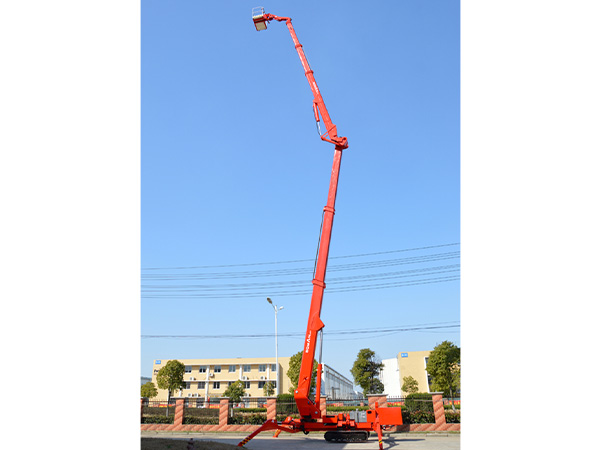
Access equipment buyers care about working height, outreach, payload, terrain, stabilizer layout, power choice, service access, and operator safety. The right platform should match the actual job site, not only the maximum height printed in a catalog. Compact tracked designs are useful when the work area is narrow, the ground is sensitive, or the machine must pass through limited access points.
Specification details reduce misunderstanding. These can include size, material, appearance, surface feel, tolerance, packing, storage, inspection method, or production batch requirements. Even when the buyer only needs a simple quote, those details often influence cost and delivery.
In a B2B transaction, a clear specification protects both sides. It also helps the supplier suggest a more practical option from existing categories instead of forcing a custom route too early.
Buyer question | Why it matters | What to confirm |
|---|---|---|
Application environment | Prevents product mismatch | Temperature, moisture, cleaning, radiation, pressure, or usage frequency |
Product specification | Controls quality and repeatability | Size, material, thickness, grade, color, capacity, or formula needs |
Order plan | Improves supply planning | Sample quantity, pilot order, regular batch, or seasonal forecast |
Brand requirements | Supports private label or project identity | Packaging, logo, printing, label language, and documentation |
Inspection method | Reduces claims after delivery | Photos, samples, test reports, dimensional checks, or acceptance criteria |
Aerial platform selection is safest when the buyer starts with the job site. Maximum height alone does not describe the real challenge.
A machine may have the right working height but still fail if outreach is too short. Contractors often need to reach over landscaping, production lines, roofs, glass façades, trees, or utility obstacles. That is why the platform chart should be compared with the actual work path.
Payload also matters. Tools, materials, and a second operator can change platform performance. Buyers should confirm whether the listed capacity fits the intended work.
Rubber tracked lift designs are valuable when ground protection matters. They distribute weight more gently than many wheeled machines and can move through grass, stone, indoor floors, or tight access paths with better control.
Outriggers, slope limits, turning radius, transport size, and power source all deserve early discussion. Those details often decide whether the machine fits the real site.
Measure gate width, doorway height, and transport path before choosing a model
Confirm indoor, outdoor, diesel, gas, battery, or hybrid power needs
Check platform payload against operators and tools
Compare outreach with obstacles, not only vertical height
Review safety standards, training, and maintenance access
Low price can look attractive, but it rarely tells the whole story. A reliable supplier helps buyers reduce hidden costs in communication, testing, packaging, and repeat orders.
A supplier that understands Spider Lift in real applications can ask better questions. Instead of only quoting a unit price, it can discuss performance limits, practical handling, and what should be checked before bulk production.
This becomes especially valuable when a buyer is launching a new project. Early feedback can prevent over-specification, under-specification, or a product design that becomes difficult to manufacture later.
Consistency matters because many B2B buyers reorder the same item over months or years. They need stable appearance, stable performance, and stable communication. Documentation also matters when the product enters regulated, technical, or branded channels.
A useful supplier can support clearer records around product names, packaging style, inspection notes, and batch communication. That reduces the chance of confusion when several teams handle the same order.
Which product page best matches this Spider Lift application?
Can the supplier support samples before bulk order confirmation?
Which specifications are standard and which require customization?
What packing method protects the product during storage and transport?
How should the product be stored before use or resale?
Good content should not describe Spider Lift as a universal answer. It should explain where the product is especially useful and where buyers need extra confirmation.
In practical purchasing, the product is usually selected for one of several scenarios: routine replacement, new product development, project installation, retail collection building, or OEM supply. Each scenario changes the way buyers judge value.
For routine replacement, buyers care about compatibility and repeatability. For new development, they care about samples and guidance. For OEM supply, they care about batch stability, lead time, and whether the supplier can handle details before they become expensive.
The linked product page for Rubber Tracked Lift gives readers a direct place to evaluate the product, instead of leaving them with only a broad claim. This improves the user path from research to inquiry.
That path matters for search users. They often arrive with one question, but they leave only when they know what to ask next. Strong internal linking helps them do that.
working height
outreach
rubber tracked lift
payload capacity
outrigger setup
job site access
indoor and outdoor work
operator safety
Most sourcing mistakes are not dramatic. They are small assumptions that get repeated until the product reaches production or final use.
The keyword Spider Lift is only a starting point. It does not define all working conditions, order requirements, or quality expectations. Buyers should add application details, especially when the product will face strict safety, comfort, formulation, or project performance expectations.
A better inquiry explains the final use and the buyer's biggest concern. That allows the supplier to recommend a suitable model, grade, thickness, material, or package style.
Packing and storage affect product condition before use. Some items need clean, dry storage. Some need protection from bending, moisture, sunlight, heavy pressure, or contamination. The safest choice is to discuss these issues before shipment.
For export or repeat orders, packing also influences the customer's receiving experience. Clear labels, stable cartons, and product-specific protection can reduce complaints and improve reorder confidence.
Customization can add value, but it should be managed carefully. A change in size, print, formulation, package, surface finish, or batch quantity can affect cost and delivery. Buyers should separate necessary customization from nice-to-have details.
When a supplier can handle small tests before large production, the buyer gains flexibility without taking on too much inventory or project risk.
Buyers should confirm the application, product size or grade, quality expectation, packing method, and whether Rubber Tracked Lift matches the real use case.
In many cases, customization can be discussed, but the buyer should confirm quantity, target specification, sample review, artwork, tolerance, and delivery schedule before bulk order.
A real product URL gives the reader a direct reference point. It also helps the article connect search intent with an actual product instead of a generic category claim.
They should avoid vague inquiries, confirm technical details early, and discuss application limits, packing, storage, and inspection standards before approving an order.
No single product fits every application. Buyers should describe the operating environment and ask the supplier to confirm suitability before placing a large order.
GomanLift gives buyers a focused product reference, practical category knowledge, and a clearer route from article research to product inquiry.
Spider Lift becomes easier to purchase when the buyer connects the keyword with real application conditions, product data, and supplier communication. A good article should help the reader move from question to inquiry without exaggerating what the product can do.
For buyers comparing options from GomanLift, the best next action is to review Rubber Tracked Lift, prepare the application details, and discuss specification, customization, packing, and repeat-order expectations before confirming the final plan.
Buyers comparing Spider Lift should keep records of the application, expected service environment, inspection method, packaging requirements, and delivery rhythm. These details look small during quotation, yet they often decide whether the selected product performs well after shipment. For GomanLift, a useful discussion starts with the real use case rather than a broad catalog request. The team can then connect the buyer's application with the most relevant product page, including Rubber Tracked Lift, and prepare a clearer response around tolerance, packing, customization, and repeat orders.
Confirm the working environment before confirming the final material or model.
Share drawings, target size, packing method, and inspection expectations early.
Ask for a sample or pilot order when the product will be used in a new application.
Keep the same naming rules for repeat purchase orders to avoid model confusion.
Review whether the product will face heat, moisture, pressure, washing, vibration, or long storage.
Buying teams often work under time pressure, yet Spider Lift decisions should still be documented in a practical way. A short internal review note can record the product purpose, the expected user environment, the needed specification, and the reason the selected product page was chosen. This avoids a common problem: the purchasing team orders by keyword while the technical team expects a different performance level.
A clearer workflow starts with the application and then moves toward the product. For example, a buyer can review Rubber Tracked Lift and mark which details are confirmed, which details still need supplier feedback, and which details should be tested through a sample. That small habit reduces repeated email exchanges and keeps the inquiry professional.
Another useful habit is separating fixed requirements from flexible preferences. Fixed requirements might include safety expectations, material composition, physical size, compliance documents, absorption target, product purity, platform height, or formula grade. Flexible preferences may include packaging style, outer carton printing, color choice, or minor appearance details. When the buyer separates these items, the supplier can respond with a more realistic offer.
Long-term cooperation also depends on repeatability. A one-time order may only need a product that works today, but a brand, distributor, hospital project, lab, rental fleet, or e-commerce seller needs a supply chain that can repeat the same standard later. This is where GomanLift should be evaluated not only by price, but also by communication, sample handling, product consistency, and the ability to respond when a project changes.
The final review should include packaging and storage. These points may look secondary, but they affect the condition of the goods after transport and before use. For technical materials, jewelry, cosmetics ingredients, reusable textile products, supplements, and access equipment, the product experience often begins before the item reaches the end user. Clean packing, clear labels, and sensible handling instructions help protect the buyer's investment.
From a search perspective, this kind of detail also makes the article more useful. The reader does not only learn what Spider Lift means. They learn how to ask better questions, how to compare product pages, and how to move toward a safer inquiry. That is the practical purpose of a deep article.
Buying teams often work under time pressure, yet Spider Lift decisions should still be documented in a practical way. A short internal review note can record the product purpose, the expected user environment, the needed specification, and the reason the selected product page was chosen. This avoids a common problem: the purchasing team orders by keyword while the technical team expects a different performance level.
A clearer workflow starts with the application and then moves toward the product. For example, a buyer can review Rubber Tracked Lift and mark which details are confirmed, which details still need supplier feedback, and which details should be tested through a sample. That small habit reduces repeated email exchanges and keeps the inquiry professional.
Another useful habit is separating fixed requirements from flexible preferences. Fixed requirements might include safety expectations, material composition, physical size, compliance documents, absorption target, product purity, platform height, or formula grade. Flexible preferences may include packaging style, outer carton printing, color choice, or minor appearance details. When the buyer separates these items, the supplier can respond with a more realistic offer.
Long-term cooperation also depends on repeatability. A one-time order may only need a product that works today, but a brand, distributor, hospital project, lab, rental fleet, or e-commerce seller needs a supply chain that can repeat the same standard later. This is where GomanLift should be evaluated not only by price, but also by communication, sample handling, product consistency, and the ability to respond when a project changes.
The final review should include packaging and storage. These points may look secondary, but they affect the condition of the goods after transport and before use. For technical materials, jewelry, cosmetics ingredients, reusable textile products, supplements, and access equipment, the product experience often begins before the item reaches the end user. Clean packing, clear labels, and sensible handling instructions help protect the buyer's investment.
From a search perspective, this kind of detail also makes the article more useful. The reader does not only learn what Spider Lift means. They learn how to ask better questions, how to compare product pages, and how to move toward a safer inquiry. That is the practical purpose of a deep article.