


No.188 Doubu Avenue, Hannan District, 430090 Wuhan, China


Views: 0 Author: Site Editor Publish Time: 2026-04-14 Origin: Site


Crawler carriers, often seen as the ideal vehicle for navigating rugged, uneven, or environmentally sensitive terrain, are revolutionizing the way industries approach work in wetlands. These robust machines offer distinct advantages that help preserve the integrity of these delicate ecosystems. At Hubei Goman Heavy Industry Technology Co., Ltd., we understand the importance of sustainable machinery in industries like forestry, construction, and environmental conservation.
In this article, we will explore how crawler carriers minimize environmental impact in sensitive wetlands and highlight the key features of these machines that make them indispensable for work in these challenging areas.
Wetlands are some of the most delicate and vital ecosystems on Earth. They are home to a vast array of plant and animal species and play a critical role in water filtration, flood regulation, and carbon sequestration. However, working in wetlands comes with significant challenges. The delicate nature of the soil and vegetation makes it highly susceptible to compaction, erosion, and disturbance, which can have long-lasting consequences on the ecosystem.
As industries increasingly turn to wetlands for construction, research, and resource extraction, it’s essential to find ways to minimize the environmental impact of such activities. Traditional wheeled vehicles can cause severe damage to wetland ecosystems, compacting the soil and disturbing the natural habitat. This is where crawler carriers come into play.
Working in wetlands presents unique challenges that require specialized equipment designed to protect delicate ecosystems. Crawler carriers are the ideal machines for this type of environment due to their ability to distribute weight evenly, enhance mobility, and reduce environmental impact. Their design makes them perfectly suited for wetland areas where traditional wheeled vehicles struggle. Here’s why crawler carriers are the preferred choice for wetland work:
Soil compaction is one of the most significant threats to wetland health. When heavy machinery presses down on the soil, it reduces the soil's ability to absorb water, leading to increased surface runoff, erosion, and diminished water quality. Crawler carriers address this issue by distributing their weight over a larger surface area. Unlike wheeled vehicles, which exert concentrated pressure on small contact points, the tracks of a crawler carrier provide a much larger contact area with the ground, which results in significantly less pressure exerted on the soil.
Feature | Wheeled Vehicles | Crawler Carriers |
Ground Pressure | High | Low |
Soil Compaction | High risk | Minimal risk |
Track Area | Small contact area | Large contact area |
This helps preserve the soil’s natural ability to absorb water—an essential function for maintaining the health of wetland ecosystems. By reducing soil compaction, crawler carriers play a vital role in maintaining the habitat for plant and animal life and supporting the natural filtration processes wetlands provide.
Crawler carriers are engineered for maximum traction, making them ideal for working in uneven, slippery, and muddy wetland terrains. Unlike wheeled vehicles that can get bogged down or slide on wet ground, crawler carriers’ wide tracks provide superior traction. This means they can move efficiently through wetlands without disturbing the surrounding environment. The enhanced mobility of crawler carriers allows them to navigate soft, saturated ground where other vehicles would struggle, ensuring that work can proceed even in difficult conditions. This capability reduces the need for road construction or land clearing, which could damage sensitive vegetation or disrupt the flow of natural waterways.
When working in wetlands, especially during excavation, transportation, and site preparation, erosion is a significant concern. Large machinery can disturb the surface of the soil, causing erosion and harming plant life. Crawler carriers minimize this risk by spreading their weight evenly across the ground. As a result, they cause minimal disruption to the soil, helping to prevent erosion. The ability to protect wetland vegetation and maintain the integrity of the soil and water is crucial for preserving these ecosystems. Furthermore, the reduced disturbance helps maintain the delicate balance of plant life and wildlife habitats in the wetland areas.
Crawler carriers are incredibly versatile machines that can be adapted for a wide range of tasks in wetlands. Whether it's for vegetation management, debris removal, or other forms of construction work, crawler carriers can be fitted with different attachments to suit the specific requirements of the job. Their adaptability ensures that industries can complete their tasks efficiently while adhering to environmentally responsible practices. By using crawler carriers, businesses can operate in wetlands without compromising the health of the ecosystem, whether it's for environmental restoration, research, or resource management.
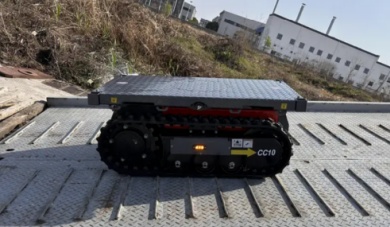
Understanding the key features that make crawler carriers ideal for wetland work can further highlight their effectiveness in preserving delicate ecosystems. These machines are equipped with several specialized features that enable them to navigate and operate in challenging environments with minimal impact.
The width and design of the tracks are crucial in reducing environmental impact. Narrow tracks can still exert significant pressure on the soil, leading to compaction. Crawler carriers with wide tracks ensure that the weight of the machine is distributed evenly, reducing ground pressure and minimizing soil disturbance. The design of these tracks helps to maintain the natural soil structure, allowing wetlands to continue functioning as they naturally would.
Some crawler carriers are equipped with specialized low ground pressure systems designed to further reduce the amount of pressure exerted on the soil. These systems optimize weight distribution, making the carrier even more efficient in sensitive environments like wetlands. By reducing ground pressure even further, these systems ensure minimal disruption to the soil, helping to maintain the wetland’s natural absorption and filtration abilities.
In addition to their design, many modern crawler carriers are equipped with eco-friendly features, such as low-emission engines. These advancements significantly reduce the overall environmental impact of the machine, ensuring that it remains suitable for use in environmentally sensitive areas. By combining efficient performance with reduced emissions, these machines help maintain the air and water quality in wetland areas, making them an excellent choice for environmentally-conscious industries.
Crawler carriers equipped with hydraulic lift systems allow for precise control of loads, which is especially useful in wetlands. This feature helps reduce the need for excessive maneuvering, which could cause unnecessary damage to sensitive wetland areas. The hydraulic lift systems enable operators to handle materials efficiently without disturbing the delicate balance of the surrounding environment, further enhancing the sustainability of operations in wetland ecosystems.
Crawler carriers not only offer significant environmental advantages, but they also deliver substantial economic benefits, particularly in industries that require operations in sensitive environments such as wetlands. By reducing soil compaction, preventing erosion, and preserving the natural functionality of wetland ecosystems, these machines contribute to more sustainable land-use practices. This leads to fewer restoration efforts, which in turn helps reduce both time and financial costs in the long run.
In addition to their eco-friendly design, crawler carriers are built for durability and require minimal maintenance. This means businesses can rely on them for extended periods without frequent repairs or replacements, ensuring long-term cost savings. The low maintenance and high operational efficiency of these machines also reduce downtime, increasing overall productivity. This makes crawler carriers a valuable asset for companies looking to maintain cost-effective operations while minimizing their environmental impact.
Furthermore, the reduced need for frequent repairs and replacements helps lower operational costs in industries that work in wetland or other sensitive areas. By using crawler carriers, companies can operate with confidence that their equipment is helping to preserve the environment and save money, all while maintaining the integrity of the ecosystem for future generations. This makes the investment in crawler carriers not only a sustainable choice but also a financially sound one for companies that value both profitability and environmental responsibility.
At Hubei Goman Heavy Industry Technology Co., Ltd., we are committed to providing advanced equipment solutions that prioritize both efficiency and environmental sustainability. Crawler carriers have proven to be invaluable in sensitive environments like wetlands, offering unmatched advantages in terms of reducing soil compaction, preventing erosion, and enhancing mobility without disrupting the ecosystem.
If you’re looking to integrate crawler carriers into your wetland-related operations or are interested in learning more about their environmental benefits, feel free to contact us at Hubei Goman Heavy Industry Technology Co., Ltd. for more information.
1. What makes crawler carriers suitable for wetland work?
Crawler carriers are designed with wide tracks that distribute weight evenly, reducing soil compaction and minimizing environmental disturbance.
2. Can crawler carriers be used in other challenging terrains?
Yes, crawler carriers are versatile machines capable of handling uneven, slippery, and muddy terrains, making them ideal for various industries, including construction and forestry.
3. How do crawler carriers contribute to sustainability?
Crawler carriers reduce environmental impact by preventing soil compaction, reducing erosion, and enabling more efficient land use while maintaining the health of ecosystems.
4. Are crawler carriers eco-friendly?
Many modern crawler carriers feature low-emission engines and energy-efficient systems, further reducing their environmental footprint and making them suitable for eco-sensitive applications.
