


No.188 Doubu Avenue, Hannan District, 430090 Wuhan, China


Views: 0 Author: Site Editor Publish Time: 2026-03-30 Origin: Site


Wheeled spider lifts are vital pieces of equipment in industries such as construction, maintenance, and landscaping. These versatile machines are used for a variety of tasks, from aerial work platforms to accessing difficult-to-reach areas. However, to ensure that your wheeled spider lift performs at its best and operates safely, it’s crucial to maintain both the tires and the hydraulic systems regularly. At Hubei Goman Heavy Industry Technology Co., Ltd., we specialize in the design and manufacturing of high-performance wheeled spider lifts, and we understand the importance of keeping these machines in top condition. Proper maintenance not only ensures efficiency but also extends the lifespan of your equipment.
In this article, we’ll discuss the best practices for maintaining your wheeled spider lift, with a particular focus on how to extend tire life and optimize hydraulic performance. With the right care and attention, you can reduce operational downtime and avoid costly repairs, ultimately improving the return on investment for your equipment.
Wheeled spider lifts are complex machines that combine mechanical, electrical, and hydraulic components to deliver the power needed for aerial tasks. Regular maintenance is essential for keeping these components functioning properly. Tires and hydraulic systems are two of the most important parts of the lift, as they directly impact the machine’s mobility and lifting capacity.
Proper maintenance prevents premature wear and tear, ensures the equipment remains safe to operate, and reduces the chances of unexpected breakdowns. Additionally, it helps to maintain the efficiency of the machine, lowering operational costs in the long run.
The tires on your wheeled spider lift are subjected to harsh conditions throughout their lifespan. They encounter rough terrains, excessive heat, varying loads, and constant movement, which can all take a toll on their durability. To ensure that your tires last as long as possible and continue to perform efficiently, it's essential to follow a regular maintenance routine. In this section, we will explore key practices to help extend tire life, such as regular inspections, proper inflation, correct tire usage, managing load limits, and proper storage.
The tires on your wheeled spider lift are constantly exposed to harsh conditions, including rough terrains, excessive heat, and varying loads. Over time, these factors can cause the tires to wear out. Regular tire inspections are vital to identify early signs of damage, such as punctures, cracks, or uneven wear patterns.
Check the following during tire inspections:
· Tread Depth: Measure the tread depth to ensure it meets the recommended level for safe operation.
· Sidewall Condition: Look for any cracks, bulges, or damage that could indicate a need for replacement.
· Air Pressure: Ensure the tires are properly inflated according to the manufacturer’s specifications. Underinflated tires can cause uneven wear, while overinflated tires can lead to reduced traction and stability.
Tire inflation is one of the most critical factors in tire longevity. Properly inflated tires help distribute the weight of the spider lift evenly, reducing the chances of premature wear. Underinflation or overinflation can lead to tire deformation, decreased traction, and increased fuel consumption. To avoid this, always check tire pressure regularly, especially before each use.
Make sure to follow the manufacturer’s guidelines for tire pressure and make adjustments based on the operating conditions, such as load weight and terrain.
Using the right type of tires for the job is crucial in maximizing tire life. Depending on the terrain and conditions, your wheeled spider lift may require specific types of tires. For instance:
· Solid rubber tires are ideal for smooth, hard surfaces.
· Pneumatic tires are better suited for outdoor environments and rough terrains, as they provide a cushioning effect.
Selecting the appropriate tire type for each task will help prevent unnecessary damage and extend their lifespan.
While wheeled spider lifts are designed to handle various tasks, excessive loads and operating on rough, uneven surfaces can significantly reduce the lifespan of the tires. Always adhere to the recommended load limits and avoid working on terrains that are too harsh for the tire type. If working on uneven surfaces is unavoidable, use caution to minimize the risk of tire damage.
When your wheeled spider lift is not in use, store it in a dry, cool location. Prolonged exposure to the sun or extreme temperatures can cause tire rubber to deteriorate more quickly. Proper storage can extend tire life and maintain their integrity.
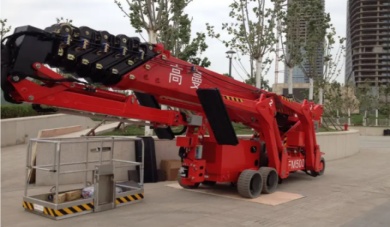
Hydraulic systems play a crucial role in powering the lifting mechanisms of the spider lift. Hydraulic fluid acts as the medium that transmits power, so keeping the system clean and free from contaminants is essential. Regularly check the hydraulic fluid levels and look for any signs of leaks in the system.
Use the following tips to maintain the hydraulic system:
· Check Fluid Levels: Always ensure the hydraulic fluid levels are within the recommended range. Low fluid levels can cause the system to malfunction or even damage the pump.
· Replace Fluid Regularly: Follow the manufacturer’s recommendations for fluid replacement intervals. Over time, hydraulic fluid can become contaminated with particles that could damage the components.
· Monitor Fluid Quality: If the fluid appears dirty or discolored, it may indicate contamination or oxidation, and it should be replaced.
Hydraulic hoses and connections are under constant pressure and need regular inspection. Check for any signs of wear, such as cracks, bulges, or leaks, which can compromise hydraulic performance. Pay close attention to the fittings and connections to ensure there is no loss of fluid.
If you notice any leaks or damage to the hoses, they should be replaced immediately to prevent further issues. Always use high-quality hoses that meet the specifications outlined by the manufacturer.
Contaminants such as dirt, dust, or moisture can enter the hydraulic system and cause internal damage. To prevent this, always keep the system clean and ensure that the fluid is filtered properly. Clean the filter regularly and replace it when necessary.
Proper pressure settings are essential for hydraulic system efficiency. Over-pressurization can lead to excessive wear on the system, while under-pressurization can result in insufficient lifting force. Regularly check the pressure settings using a gauge and adjust them according to the manufacturer’s recommendations.
Hydraulic systems can overheat if the lift is operated for extended periods without sufficient breaks or if the fluid level is too low. Overheating can cause the fluid to break down and damage the system. To avoid overheating, ensure that the system is properly ventilated and take breaks when operating for long durations.
Establishing a regular maintenance schedule for both the tires and hydraulic system will ensure that your wheeled spider lift remains in optimal condition. Keep detailed records of all maintenance performed, including tire inspections, hydraulic fluid changes, and repairs. This will not only help you track the condition of the equipment but also ensure compliance with any warranty requirements.
Maintenance Task | Frequency | Notes |
Inspect tire pressure | Weekly/Before use | Check for proper inflation |
Check hydraulic fluid levels | Monthly or as needed | Replace fluid if contaminated or low |
Inspect hydraulic hoses and connections | Monthly | Look for leaks or wear |
Clean hydraulic filters | Quarterly | Replace if necessary |
Inspect tires for damage or wear | Monthly | Look for cracks, punctures, or uneven wear |
Regular maintenance of your wheeled spider lift is essential for ensuring that it performs optimally and lasts for many years. By focusing on extending tire life and optimizing hydraulic performance, you can avoid costly repairs, reduce downtime, and enhance the safety and reliability of your equipment. At Hubei Goman Heavy Industry Technology Co., Ltd., we offer a wide range of high-performance wheeled spider lifts and provide expert guidance on proper maintenance to keep your machines in top shape. For more information about our products and maintenance solutions, contact us today.
Regular inspections, maintaining proper tire inflation, using the right tires for your terrain, and storing the lift properly can all extend tire life.
Hydraulic fluid is essential for the performance of the lifting system. Maintaining the correct fluid levels and cleanliness helps avoid system malfunctions and costly repairs.
It is recommended to inspect the hydraulic hoses monthly for any signs of wear, leaks, or damage to ensure optimal hydraulic performance.
Overheating can occur from low hydraulic fluid levels, extended use without breaks, or poor ventilation. Ensure the system is properly maintained and take breaks during prolonged operations.
